
How do you know it's time to cut the flak and launch a new line?
By Jason Cawthron, Dissenting Spirits Professionals LLC
When sales slip and cash is tight, a new line made on the still you already own can be one of the few growth moves that pays for itself. It isn't free, though. It needs label approval, packaging and cash for a first batch, and a poor choice ties up all three. Too often, distilleries handle it in one of two ways. Either they talk about it for a year while sales keep sliding, or they launch the wrong product on a hunch and tie up the still and the cash for months. Both are expensive.
The market won't wait for the talk to end. The American Craft Spirits Association's 2025 data report found that the U.S. craft spirits category reached 12.7 million 9-liter cases in retail sales in 2024, a 6.1% drop in volume from 2023 (ACSA / Park Street, Craft Spirits Data Project 2025). Sales now have to be won, and the right new product is one of the best ways to win them.
Signs it's time to launch
You are probably ready for a new line if two or more of these are true:
- Your still or fermenters sit idle part of every week.
- You have barrels aging with no release planned for them.
- Tasting-room visitors keep asking for something you don't make.
- Your distributor's rep says your range is thin where buyers are spending.
- Your best seller has stopped growing, and nothing behind it is picking up the slack.
Idle equipment and stock you already own are money sitting still. A new line puts them to work.
Pick the line that fits your production and your market
The hard part isn't deciding to launch. It's choosing what to launch. A new line has to pass two tests.
Production fit. Can you make it well, again and again, on what you own?
- It uses equipment you already run, or stock you already hold, such as barrels ready for a single-barrel or cask-strength release.
- Its cost per bottle leaves a margin once labor, energy and the liquid lost between still and bottle are counted.
- It doesn't take still hours or barrels that your best seller needs.
Market fit. Will buyers in your distribution market pay that price?
- Your distributor's rep, your accounts or your tasting-room visitors have asked for it.
- The accounts your distributor calls on don't already carry three versions of it at that price.
- The shelf price in your distributor's territory leaves room for your price once the distributor's and the retailer's margins are taken out.
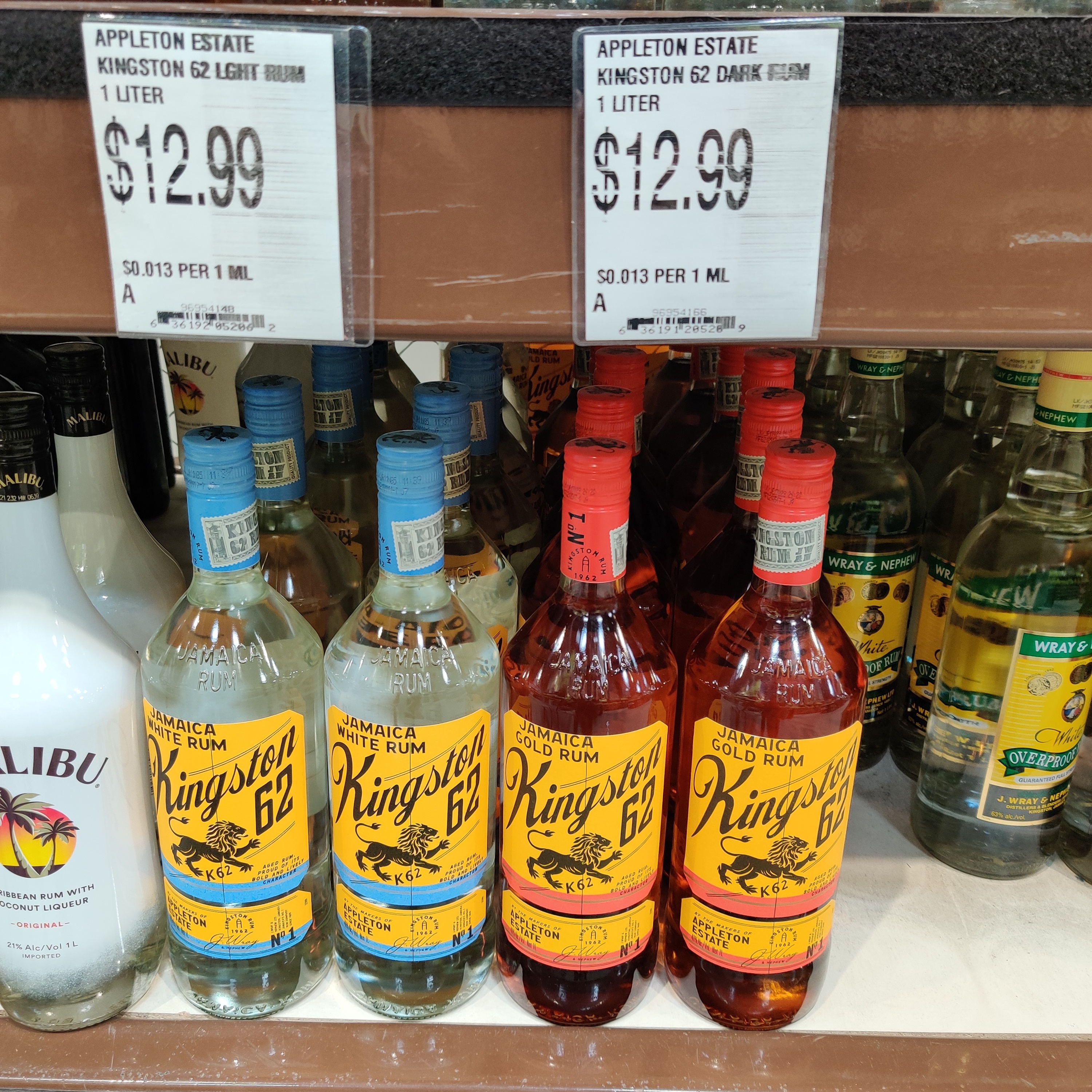
Check the price the way the buyer sees it. Start from the shelf price in your distributor's territory and work back. Take off the distributor's and the retailer's margins. What is left has to cover the cost per bottle and leave you a margin. If it doesn't, the line won't work at that price, whatever the tasting room says.
One more check: if your bottles are already in every account your distributor covers, the answer may be a new territory, a new account type or a new market for what you make, not a new product.
A quick test before you commit
Answer these about the line you have in mind. Write the answers down. A guess doesn't count.
- What will one bottle cost to make, and what will the launch cost before the first sale? Count label approval from TTB, packaging and the cash for a first batch.
- How many still hours, tank days or barrels will it use each month, and where do they come from?
- Who in your distributor's territory will buy it, at what shelf price, and why will they pick it over the bottle next to it?
- Which of your current products will it sit beside, and will it take sales from them?
- If it sells, can you make it the same way next batch, with your current team?
If you can answer all five, stop talking and book the batch. If you can't, that's the reason the idea has been going round in circles.
Make room before you add
A new line needs hours, tank space and shelf space. The cheapest place to find them is a product that hasn't moved in months. Retiring it frees what the new line needs and keeps the range easy to sell.
Why owners get stuck
The numbers that decide a launch sit in different places. Cost is on the still floor, sales are in the distributor report, and demand is in the tasting room and on the shelf. Few owners have time to bring them together, so the decision keeps getting put off.
How we help
We do this work in two steps.
A production and product-market fit audit. We look at how each product is made and what it really costs, then at who buys it and why. You get a clear answer on which new line to launch, whether your production can carry it, and what to retire to make room.
Product development. We develop the new line with you: recipe trials, a spec your team can repeat batch after batch, and a costed first run before you commit the still. We design distilleries, commission their equipment and develop products for them, so the product we design is one your equipment can make.
If your still has idle hours and your sales have stalled, talk to us or email jason@dissentingspirits.com.
Sources
- American Craft Spirits Association and Park Street, Craft Spirits Data Project 2025: https://americancraftspirits.org/wp-content/uploads/2017/02/2025-craft-spirits-data-project-102125-final.pdf